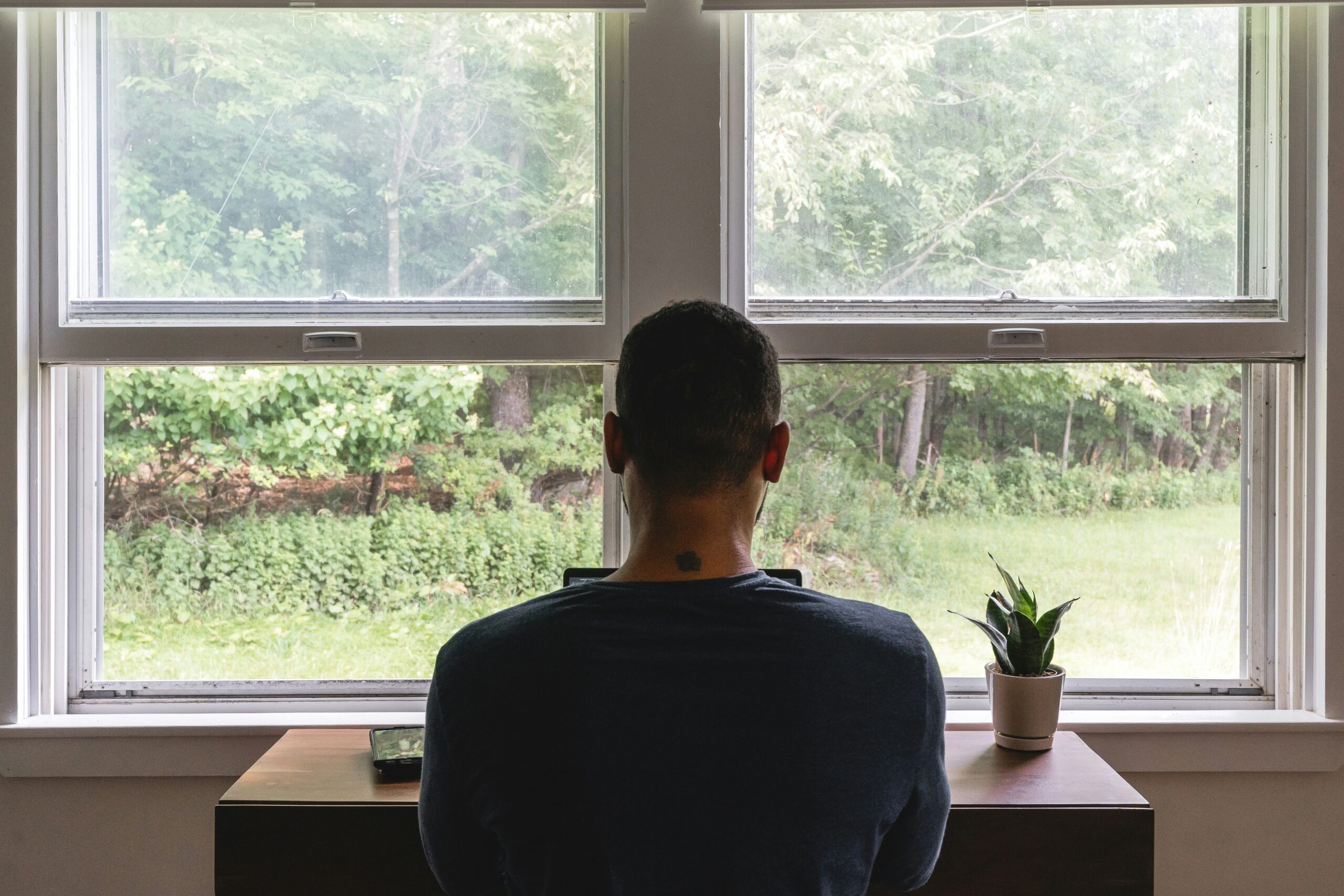

Have you ever found yourself in the middle of a turbulent situation? It might have been a literal storm or a challenging situation that made it nearly impossible to go about life as usual. One common challenge that many people face is anxiety. This is not only the everyday anxiety that affects us all, but crippling anxiety that makes it hard to function. Taking self-care for anxiety seriously is one way to cope well with anxiety in its many forms.
When you’re feeling anxious, it can feel like you’re in the middle of a storm, tossed about by racing thoughts, a pounding heart, carrying the feeling of dread, and a knot in your stomach. Anxiety is a common struggle, but it is one that’s often misunderstood and not attended to properly. Through effective support, you can bring your anxiety under control.
You’re not alone in your anxiety
Being anxious is a deeply human experience. We’ve all felt anxious at one point or another, and there’s a place for anxiety in our lives. Being anxious is a physiological response to danger, and that response can be lifesaving in certain circumstances. When you feel anxious about your first day at work or school, that isn’t necessarily a bad thing if it helps you prepare adequately. Anxiety can even help you as you do something simple like cross a busy street.
Many folks experience anxiety of the kind I’ve described above. It’s one of the many mechanisms in our bodies that allow us to navigate our world successfully. It is helpful to a point as it keeps you alert to your environment and enables you to prepare. However, anxiety can often become something more. Instead of being a help, anxiety can become a burden, keeping you up at night as your mind spins through worst-case scenarios.
This heavier and unhelpful form of anxiety is often referred to as an anxiety disorder. When anxiety no longer helps you, but instead burdens your existence, it is no longer doing what it was meant to. Anxiety disorders come in various forms, and many folks struggle with this more extreme form of anxiety. It can be triggered by anything from social situations, particular animals, or certain daily tasks, including sleeping.
 Whatever your situation when it comes to anxiety and anxiety disorders, know that you aren’t alone. People from every background, faith tradition, or season of life face anxiety, and being anxious doesn’t necessarily mean that you’re broken or have weak faith. It is simply a challenging reality that you need support to deal with. One place to start is with intentional self-care.
What is self-care?
People matter, and one of the ways we show that people matter is by caring for their needs. You also matter, and self-care refers to the intentional practices and habits a person cultivates to sustain their mental, emotional, physical, and spiritual well-being. Taking care of yourself requires you to pay consistent attention to what you need so that you can flourish.
Self-care isn’t selfishness, though it’s always good to remember that even the best of the Lord’s gifts to us can be misused. If you’re inclined to ignore your own needs, a change in mindset is needed. Taking care of yourself is a form of faithful stewardship as you care for the mind, body, and life that the Lord has given you. Addressing your anxiety through self-care is a way not to retreat from life, but rather to prepare a way to return to it more fully.
What then is self-care for anxiety? Self-care won’t look the same for everyone, so if you aren’t a bath bomb and scented candle sort of person, that isn’t necessarily what you have to do. If you are, that’s great as a way to find rest and promote restoration. The main thing with self-care is to honestly appraise and understand your needs, then find healthy ways to meet those needs.
When dealing with anxiety, self-care can mean learning your own rhythms, being able to discern and listen to your body’s signals, and disrupting cycles of fear before they take root or escalate. Doing this and nurturing rhythms of life that help to ground you and create a sense of safety will help now and in the long term.
Self-Care for Anxiety – Daily Practices and Long-term Strategies
 When anxiety is overwhelming, the temptation may be to try to do a major overhaul of your life so that you nip the anxiety in the bud and can get on with your life. This might seem like a good idea at first, but it can add to the sense of being overwhelmed, and often it isn’t sustainable. Rather, it’s important to have good follow-through on small daily choices, which can have a huge impact on your levels of anxiety over time.
In addition to these daily choices and practices, there are some longer-term strategies that can be implemented to help reduce anxiety and find ways to cope with it. The short and long-term tools work together to help you reduce the intensity and frequency of anxious episodes in your life. Some of the daily practices and long-term strategies for self-care include the following:
Daily Grounding In the morning, before you reach for your phone or iPad, spend five to ten minutes in quiet. Take deep breaths, name three to five things that you are grateful for, and offer up the day to the Lord in prayer.
Movement For many, their lives and work are mostly sedentary. Taking a walk during a work break or getting some exercise at the start and end of your day can help reduce anxiety levels and symptoms. Physical activity improves your mood and metabolizes stress hormones, helping you to calm your nervous system.
Better Sleep Poor sleep and anxiety feed each other. Better sleep hygiene helps anxiety. Try aiming for consistent sleep and wake times, avoiding screens before bed, and having a wind-down routine to help you sleep. These can all contribute to reduced anxiety and better emotional regulation.
Limit Media Consumption An anxious mind is more alert to and can absorb threats more readily. You can protect your mental well-being by setting boundaries around news and social media. Limit the amount of time you spend on media overall, avoid doomscrolling, and seek out balanced news coverage as well as media that also report on the good things happening in our world.
Regulate Your Breathing Anxiety often leads to shallow breathing and your body feeling like it’s in distress. Slowing and regulating your breathing helps to activate your parasympathetic nervous system, which signals safety to your mind and body. When you feel anxious, breathe in for four counts, hold your breath for four, then breathe out for six.
Journal Expressing your anxieties by writing them out helps to give them concrete shape. Externalizing them in this way helps give perspective and distance on those concerns, especially when you combine your journaling with prayer or meditating on a verse from Scripture.
Seek Community Being alone will often amplify your anxiety. Having meaningful and supportive relationships can be a great antidote to fear. The presence of trusted friends or a small group can be a bulwark against unwarranted fears. If you engage in regular conversation with someone like a spiritual director, they can help you pay attention to your inner life and how the Lord is present even in seasons of anxiety.
 Sabbath Rest You need to give yourself room to rest, not just physically, but mentally, emotionally, and spiritually. Your weekly Sabbath practice could include stepping away fully from demands, screens, and productivity, and taking time to reflect on the Lord and His goodness. Humbly draw near to Him and seek His peace and rest (Philippians 4.4-7; Matthew 11.28-30).
Therapy Working with a trained and licensed Christian counselor is a useful long-term strategy to address anxiety. Your counselor will help you nurture greater emotional resilience and a deeper spiritual connection as you understand the roots of your anxiety. They can help you challenge the thought patterns that fuel your anxiety and work with you to develop tools to better cope with your anxiety.
This longer-term work won’t eliminate all challenges with anxiety from your life, but it can help you change your relationship with anxiety. Over time, you can become less reactive, more present and grounded, and more deeply rooted in the Lord’s peace that transcends all understanding (Philippians 4:7, NIV).
It is possible to bring anxiety, even the more intense forms of it, under better control. You don’t have to face the storm alone. With support, guidance, and compassionate care, you can begin the journey toward greater peace, healing, and wholeness.
If you’re ready to take the next step, I am here to help. Through counseling, you can explore the roots of anxiety, develop healthier coping tools, and discover a renewed sense of balance and hope. Reach out to my office today to begin your journey toward healing with Joseph Bennett.
Photos:
“Watching the Waves”, Courtesy of Irena Carpaccio, Unsplash.com, CC0 License; “Drowning”, Courtesy of Ian Espinosa, Unsplash.com, CC0 License; “Storm Front”, Courtesy of Erika B, Unsplash.com, CC0 License
 Joseph Bennett: Author
I have been counseling for over 25 years in various backgrounds and cultures. I offer professional Christian counseling for couples, individuals, and families facing a variety of concerns, including anxiety, addiction, codependency and other relation...
- Kate Motaung: Curator
Kate Motaung is the Senior Writer, Editor, and Content Manager for a multi-state company. She is the author of several books including Letters to Grief, 101 Prayers for Comfort in Difficult Times, and A Place to Land: A Story of Longing and Belonging...

DISCLAIMER: THIS ARTICLE DOES NOT PROVIDE MEDICAL ADVICE
Articles are intended for informational purposes only and do not constitute medical advice; the content is not intended to be a substitute for professional medical advice, diagnosis, or treatment. All opinions expressed by authors and quoted sources are their own and do not necessarily reflect the opinions of the editors, publishers or editorial boards of Stone Oak Christian Counseling. This website does not recommend or endorse any specific tests, physicians, products, procedures, opinions, or other information that may be mentioned on the Site. Reliance on any information provided by this website is solely at your own risk.