

The stressors that first responders face are unique to their careers. Their work demands that they be consistently vigilant, quick to make decisions, and emotionally resilient as they face situations where lives are at stake.
Along with this dedication come the challenges that accumulate emotionally and mentally. We don’t always see the internal struggles first responders face daily. Anxiety reduction is vital to helping these individuals maintain focus and clarity as they serve effectively.
The process of managing anxiety includes the acknowledgment that these pressures are real and that seeking support is not a sign of weakness. Intentional strategies that will address anxiety are required for first responders to avoid burnout, compassion fatigue, and diminished capacity to respond effectively in the critical moments of their daily work.
Scripture reminds us that we can come to God with everything we think and feel. “Be anxious for nothing, but in everything by prayer and supplication with thanksgiving let your requests be made known to God.” (Philippians 4:6, NASB) This is true for first responders, too.
The Hidden Weight of Constant Readiness
First responders are required to maintain a high-alert mindset. They need to be ready to respond at any moment. This often means that their nervous systems rarely experience true rest. Their daily life has a perpetual readiness woven into every minute, making it difficult to distinguish between on-duty and off-duty.
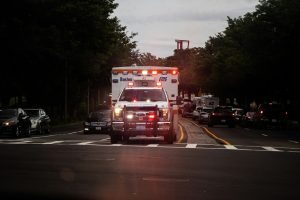 When the brain adapts to this pattern, there are consequences. Sleep disturbance, irritability, and difficulty relaxing are common experiences that first responders must navigate. Christian counselors understand this hypervigilance and can help navigate intentional counterbalancing practices that allow the body and mind to rest.
There is an unspoken message that surrounds first responders as they absorb the cultural message regarding their profession. That message is that first responders are unshakeable and that displaying any emotional response somehow makes them less able to do their job. This expectation conflicts with human neurobiology. When individuals are repeatedly exposed to traumatic situations, it affects them and everyone around them.
This cultural expectation results in first responders feeling as though they must maintain an image of invulnerability as they struggle with anxiety, intrusive thought patterns, and emotional exhaustion. The disconnect between what they experience internally and what they feel they are permitted to express externally creates additional strain, complicating and compounding the existing stress.
First responders can lean on the promise that “The Lord is near to the brokenhearted and saves those who are crushed in spirit.” (Psalm 34:18, NASB) They don’t need to hide their struggles from Him.
Anxiety Reduction Through Practical Mental Health Strategies
There are specific anxiety-reduction techniques that can benefit first responders when integrated into their daily routine. One effective technique is box breathing, also known as tactical breathing. This breathing technique involves counting to four as the individual inhales, holding for a count of four, exhaling for a count of four, and holding again for a count of four. This can be a real-time tool because it is simple and accessible.
Another technique that can be helpful in anxiety reduction for first responders is progressive muscle relaxation. This helps first responders identify where they are holding tension in their bodies and consciously release it.
Establishing boundaries between work and personal life is a foundation for long-term anxiety management. This requires the individual to create a ritual that signals transitions, such as changing clothes immediately after shifts or engaging in brief physical activity.
These practices can help the nervous system reset and understand that danger has passed and safety has returned. Christian counselors help first responders understand that these boundaries honor their calling to serve and the need to preserve their own well-being.
Sabbath rest speaks directly to the need for rhythms that include cessation from work. When first responders choose to step away from their responsibilities for intentional rest, they are modeling the biblical principle that rest is required to sustain effectiveness. Jesus calls us to Him for rest when we are weary. “Come to Me, all who are weary and heavy-laden, and I will give you rest.” (Matthew 11:28, NASB)
The Role of Connection and Community
First responders often feel isolated because they cannot share their experiences with people outside their field. Having a peer support group that allows them to share with others who understand gives them a space for honest conversation. These connections remind them that their responses are normal reactions to abnormal circumstances. When they gather with others who understand the unique pressures of their work, the weight of carrying these experiences alone begins to diminish.
Engaging in professional mental health support tailored for first responders can offer a crucial layer of care. Therapists and counselors who specialize in trauma and occupational stress understand the specific challenges involved with being a first responder. Through evidence-based treatments integrated with faith-based support, a way to address trauma symptoms directly is created.
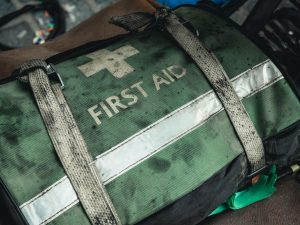 Engaging with this professional support demonstrates wisdom rather than weakness. It shows a commitment to maintaining the capacity to serve in the long term. The decision to seek professional help allows first responders to process what they have experienced during their shifts in a safe environment where their vulnerability is respected, and healing is prioritized.
Working with a Christian counselor embodies the directive in Ecclesiastes. “Two are better than one because they have a good return for their labor. For if either of them falls, the one will lift up his companion.” (Ecclesiastes 4:9-10, NASB) A counselor can be there to support first responders in their struggles.
Physical Health as a Foundation for Anxiety Reduction
The connection between physical health and mental well-being is particularly important for first responders. Regular exercise can provide a healthy outlet for processing stress and hormones and improve overall resilience to anxiety. Cardiovascular exercise, strength training, and flexibility all contribute to better stress regulation. First responders often find that establishing a consistent exercise routine creates structure and predictability for those with unpredictable schedules.
First responders have irregular schedules that often disrupt their sleep patterns, which impacts anxiety levels. When first responders are able to maintain consistent sleep at night by creating dark, cool sleep environments, they can improve their sleep quality even with their challenging schedules.
Eating balanced meals to stabilize blood sugar prevents symptoms of anxiety from compounding the mental and emotional load. These practical steps create a foundation that supports anxiety reduction and helps first responders maintain the physical stamina their work demands. They can care for their body as the temple God says it is to help them withstand the challenges of their work.
Or do you not know that your body is a temple of the Holy Spirit who is in you, whom you have from God, and that you are not your own? – 1 Corinthians 6:19, NASB
Sustainable Service Through Self-Care
First responders are professionals whose work holds immense value. They choose to protect and serve communities in the most vulnerable moments. But sustaining the service throughout their careers requires acknowledging that even the strongest individual needs support.
Anxiety reduction involves developing practices and support systems that prevent anxiety from becoming overwhelming and debilitating. Christian counselors work with first responders to create personalized approaches that will honor their professional calling and the human need for care.
Navigating toward better mental health in the demanding roles of first responders starts with recognizing that seeking help reflects strength and wisdom. This requires implementing practical strategies and addressing deeper patterns of thought and belief that influence how first responders relate to their experiences.
Faith offers a framework for understanding that human limitations are part of the design, and a reminder that dependence on God isn’t weakness but the pathway to enduring strength. When first responders prioritize their mental health through anxiety-reduction practices, they are positioning themselves to serve more effectively and sustainably.
If you are a first responder struggling with anxiety, we encourage you to reach out to a Christian counselor who understands the unique demands of your profession. You can call our reception team or use the contact form to get started on your journey to reduce anxiety.
References:
https://www.psychologytoday.com/us/blog/the-athletes-way/201705/diaphragmatic-breathing-exercises-and-your-vagus-nerve
https://www.verywellmind.com/how-do-i-practice-progressive-muscle-relaxation-3024400
https://www.psychcentral.com/anxiety/coping-with-first-responder-stress
https://www.sleepfoundation.org/shift-work-disorder/shift-workers
https://www.verywellmind.com/what-is-emdr-2797511
https://www.psychologytoday.com/us/basics/cognitive-behavioral-therapy
Photos:
“Ambulance”, Courtesy of Yassine Khalfalli, Unsplash.com, CC0 License; “First Aid”, Courtesy of milan degraeve, Unsplash.com, CC0 License
 Rebecca Marquez: Author
I see therapy as a harbor, a place where you can come in and find respite and refuge from the storms of life. With a calm, patient, easy-going demeanor, I provide Christian counseling for teens and adult individuals dealing with a range of concerns,...

- Kate Motaung: CuratorRecent Posts

DISCLAIMER: THIS ARTICLE DOES NOT PROVIDE MEDICAL ADVICE
Articles are intended for informational purposes only and do not constitute medical advice; the content is not intended to be a substitute for professional medical advice, diagnosis, or treatment. All opinions expressed by authors and quoted sources are their own and do not necessarily reflect the opinions of the editors, publishers or editorial boards of Stone Oak Christian Counseling. This website does not recommend or endorse any specific tests, physicians, products, procedures, opinions, or other information that may be mentioned on the Site. Reliance on any information provided by this website is solely at your own risk.