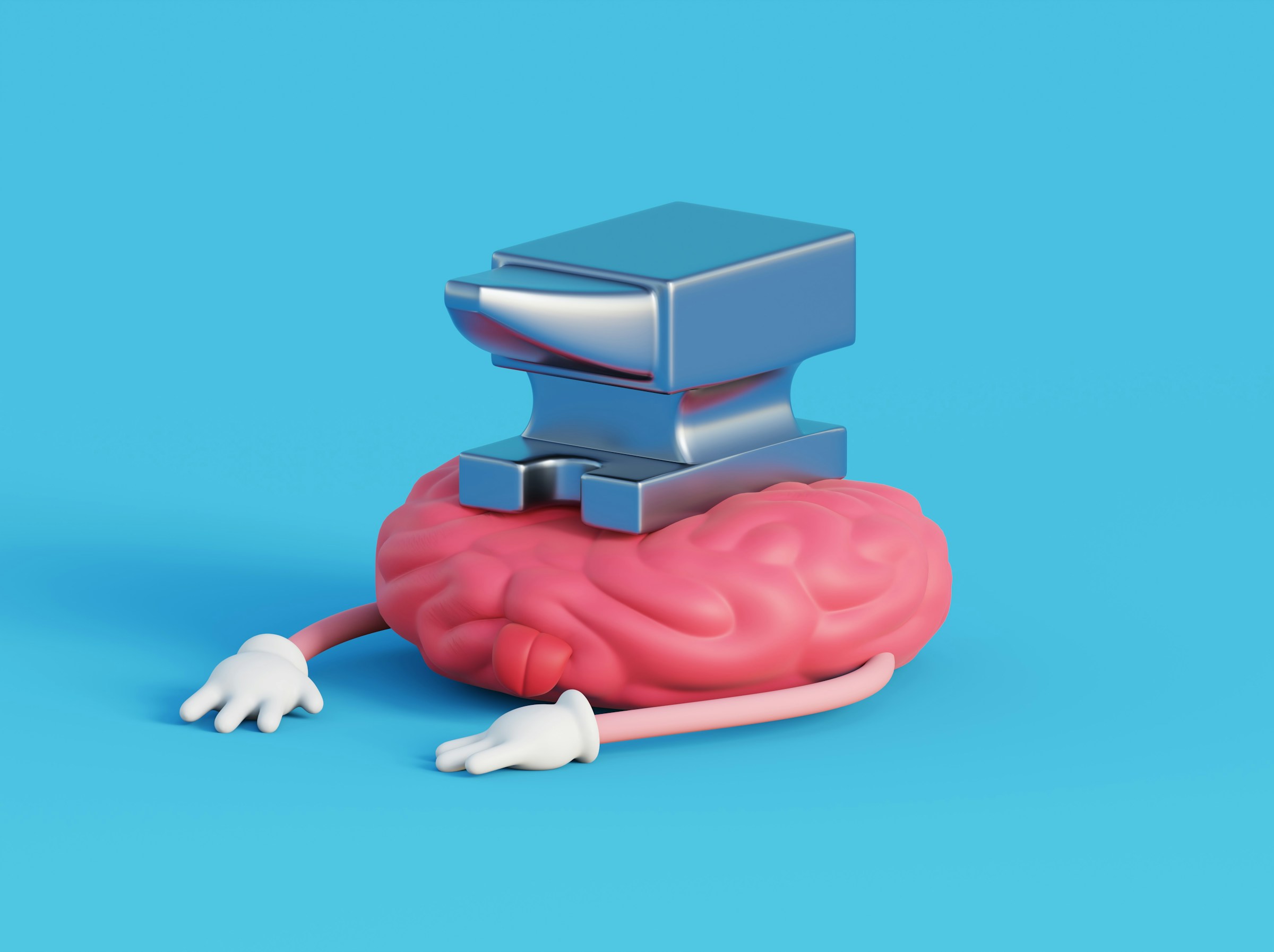

Emotional regulation is not a matter of just choosing to calm down. For people with ADHD, emotional regulation is the hardest part of the day. The distraction and impulsivity affect how emotions are felt, processed, and expressed.
Feelings hit hard and take longer to settle in this pattern of constraint, relationships, and derailed focus. ADHD and emotional regulation are tough when the brain works differently.
What ADHD and Emotional Regulation Actually Look Like
ADHD is often described as a focus problem. Focus is part of it, but the ability to regulate emotions also plays a big role. A significant number of people with ADHD find it difficult to manage the intensity and duration of their emotional responses.
Emotional regulation includes rapid mood shifts, low frustration tolerance, and a heightened sensitivity to rejection. These reflect real neurological differences in how the ADHD brain processes information.
Part of the brain that handles impulse control and emotional braking works differently in those with ADHD. The signal to slow down often arrives late or not at all. It’s just the biology of an ADHD brain.
 Understanding this distinction is important because those with ADHD believe they are too emotional, reactive, or too much. Narratives like this do more damage than expected. The reality of the situation is that the brain is doing something specific and identifiable, which means it should be addressed as such.
Research suggests that there is an increase in the number of adults with ADHD who experience a degree of emotional dysregulation. This indicates that the experience is increasingly common. When individuals understand that what they experience has a neurological basis, it shifts the way they relate to themselves. This is one step toward real change.
Why Rejection Feels So Devastating
One of the most talked-about emotional experiences in the ADHD community is known as rejection-sensitive dysphoria. This is an intense emotional response that occurs with criticism, rejection, or failure.
Individuals without ADHD rarely take a critical comment to heart. However, an individual navigating ADHD with emotional regulation handles it differently. Challenges may be met with shame, anger, and withdrawal. What is labeled as drama is simply the nervous system registering something more intense than what most people experience.
Emotional sensitivity of this intensity can make everyday interactions seem exhausting. Social situations may carry extra weight when there’s a low level of awareness of something being said or done that may land the wrong way. When this happens, the fallout feels enormous, and some individuals with ADHD will begin to avoid similar situations where rejection is possible. This results in missed opportunities and isolation.
A pattern of avoidance can quietly reshape a person’s world. Friendships may thin out, and professional opportunities are left unpursued. The individual may not even realize there’s a connection between avoidance and sensitivity.
This is a cycle that requires recognition in order to understand the devastation of rejection. Recognizing this cycle requires an outside perspective from someone who can name the pattern and help the individual see it clearly. Finding this type of clarity is hard, and for many, it may become a turning point that moves them toward seeking help.
Scripture addresses this deep, emotional pain honestly. The book of Psalms contains many instances of raw and unfiltered cries from people who were overwhelmed and not pretending. (Psalm 22, 34, 55). God does not see this type of honesty as weakness. It is a model for processing what is real rather than burying it.
ADHD and Emotional Regulation Strategies That Help
Emotional dysregulation and ADHD respond to intervention. Different approaches have shown real promise, and most people find a combination that will work better than any single strategy.
Cognitive Behavioral Therapy helps people identify thought patterns that may intensify emotional responses. After these patterns are identified, individuals can build accurate interpretations of triggering events. It is a process that takes time, but it does produce lasting change.
Mindfulness-based practices such as breathing exercises may create small but meaningful pauses between a trigger and a reaction. The pause creates a different outlook for those whose emotional brake pedal is slow. Core ADHD symptoms may be addressed through medication that reduces emotional intensity.
Structured daily routines are important to a regulated nervous system. When the body is depleted, a small lifestyle adjustment can make a big difference in emotional stability.
In Scripture, Paul addresses what it means to be content in all circumstances. He didn’t do this because it came naturally. He discussed it because it was something practiced and developed over time. This resonates deeply with people working on emotional regulation. It reduces the expectation of perfection and builds a skill, one day and one situation at a time, with patience for the process. (Philippians 4:11).
When patience extends to the tools, the right combination of strategies can be developed over time. There are no two people with ADHD who are exactly alike. This means that strategies will look different for each one. This is what makes the process worth pursuing. By approaching this process with honesty and support, the result is a meaningful and lasting change.
How Christian Counselors Can Support ADHD and Emotional Regulation
There is an added layer of shame that comes with the emotional intensity for Christians who struggle with ADHD. These individuals feel they should be more patient and more self-controlled. Christian counselors are trying to address the clinical and spiritual dimensions of this experience.
They help individuals separate biology and spirituality. What is a neurological reality versus a moral failure? This is valuable because these two things are not the same. The distinction can create freedom for someone who has spent years feeling like a spiritual failure because of how their brain works.
 Christian counselors understand neurodevelopmental differences, which helps develop practical coping skills and hold space for grief, frustration, or other spiritual questions. Many adults are not diagnosed until their thirties or beyond. Discovering this brings up questions about what they experienced over the years, such as grief and anger. Being able to work through these discoveries with a counselor who integrates faith means the conversation doesn’t remain surface-level.
The integration of faith and practical coping skills matters more than one may think. They should not be separate from mental health. Many people use the lens of faith to understand various situations in life. A Christian counselor who understands this lens may offer clients a way to make sense of their diagnosis that will deepen their faith rather than challenge it.
Finding Steadiness When Emotions Run High
Moving forward with emotional regulation and ADHD doesn’t mean the individual is at the mercy of every feeling that arrives. There is a steadiness that comes from understanding what’s actually happening in the brain. When the individual stops suppressing or pretending that emotions are fine, they build skills that work with the ADHD nervous system. This is the awareness that changes things.
This process can also involve faith, which will create a foundation of knowing they are not defined by their worst emotional moments. Faith communities help them understand they are not alone in navigating these situations.
A Christian counselor who understands the spiritual and clinical aspects offers a framework of tools and perspective that will hold both without forcing a choice between them. This type of support is essential to making a difference for those who struggle with ADHD and emotional regulation.
If emotional dysregulation is affecting your daily life, your relationships, or someone you care about, you don’t have to figure it all out on your own. Reaching out for support isn’t a sign of weakness – it can be an important first step toward better understanding yourself and developing healthier ways to respond to difficult emotions.
In my work as a therapist, I help individuals better understand the connection between ADHD, emotions, relationships, and the patterns that can leave them feeling overwhelmed or stuck. If any of this sounds familiar and you feel counseling might be helpful, please consider reaching out to me – Joseph Bennett, LPC – to talk about what you’re experiencing and what your next steps might look like.
www.additudemag.com/adhd-emotion-setback-to-positive-energy/
https://www.webmd.com/add-adhd/emotion-stress
https://psychcentral.com/adhd/coping-with-heightened-emotions-when-you-have-adhd
https://www.verywellmind.com/adhd-symptom-spotlight-emotional-dysregulation-5219946
https://www.psychologytoday.com/us/blog/empowerment-is-real/202504/emotional-regulation-and-adhd
Photos:
“Grief”, Courtesy of Valeriia Miller, Unsplash.com, Unsplash+ License; “Emotion”, Courtesy of Markus Winkler, Unsplash.com, CC0 License
 Joseph Bennett: Author
I have been counseling for over 25 years in various backgrounds and cultures. I offer professional Christian counseling for couples, individuals, and families facing a variety of concerns, including anxiety, addiction, codependency and other relation...

- Kate Motaung: Curator
Kate Motaung is the Senior Writer, Editor, and Content Manager for a multi-state company. She is the author of several books including Letters to Grief, 101 Prayers for Comfort in Difficult Times, and A Place to Land: A Story of Longing and Belonging...

DISCLAIMER: THIS ARTICLE DOES NOT PROVIDE MEDICAL ADVICE
Articles are intended for informational purposes only and do not constitute medical advice; the content is not intended to be a substitute for professional medical advice, diagnosis, or treatment. All opinions expressed by authors and quoted sources are their own and do not necessarily reflect the opinions of the editors, publishers or editorial boards of Stone Oak Christian Counseling. This website does not recommend or endorse any specific tests, physicians, products, procedures, opinions, or other information that may be mentioned on the Site. Reliance on any information provided by this website is solely at your own risk.