


Stephanie Kramer

About Stephanie Kramer

Stephanie Kramer is the Editor-in-Chief of a leading faith-based publication. She holds a BA in Art History and Visual Anthropology from Western Washington University and brings extensive experience from her previous role as Editor of a prominent faith-based magazine. With a rich background in graphic design, media, ghost writing and promotions, Stephanie has successfully managed and directed various media campaigns for non-profits and political organizations. Additionally, she has served on several boards, contributing her expertise in strategic planning and community outreach. A dedicated mother and homeschool educator, Stephanie is also a committed youth mentor, passionate about using her skills to inspire and empower others through her work in publishing.

8 Steps for Overcoming Loneliness

2025-12-30T10:21:50+00:00December 30th, 2025|Featured, Individual Counseling, Personal Development|

Many clients come to me feeling lonely. Some have lost loved ones through death or divorce. Others have lost themselves and their ability or motivation to make new connections, and some have experienced a residential move or have jumped into a new career that has left them feeling isolated. Overcoming loneliness can seem a monumental task. The common factor seems to be clear, even when their stories are different. Loneliness stems from the discrepancy between what a person perceives as the ideal amount and quality of social interactions in their lives and the reality of their actual connections. You may be feeling the weight of that discrepancy and disconnection, too. However, whatever circumstances have caused the social isolation or perception of such in your life is relatively unimportant. What is important is how you deal with your current situation on a mental, physical, social, and spiritual level. And yes, all those aspects of your being play a part in your feelings of isolation and disconnect. 8 Steps for Overcoming Loneliness While loneliness is more complex than being physically and socially isolated, for this purpose, today, let’s talk about how to start building solid relationships. Relationship building may not solve all your problems or remove your feelings of loneliness, but it can greatly enhance your life, and it begins with small, brave steps: Admit you’re lonely This might sound obvious, but it’s often the hardest step. It’s vulnerable to admit that we need others, especially in a world that celebrates individualism. But vulnerability is the birthplace of connection. Reach out, even when it feels awkward Call the friend you’ve been meaning to check in on. Join the group at church or sign up for the book club. Start small, but start somewhere. Relationships are built, not stumbled upon. So, take [...]
Comments Off on 8 Steps for Overcoming Loneliness

Finding Single Mom Help with Homework

2025-09-27T06:32:14+00:00September 27th, 2025|Christian Counseling for Children, Featured, Individual Counseling|

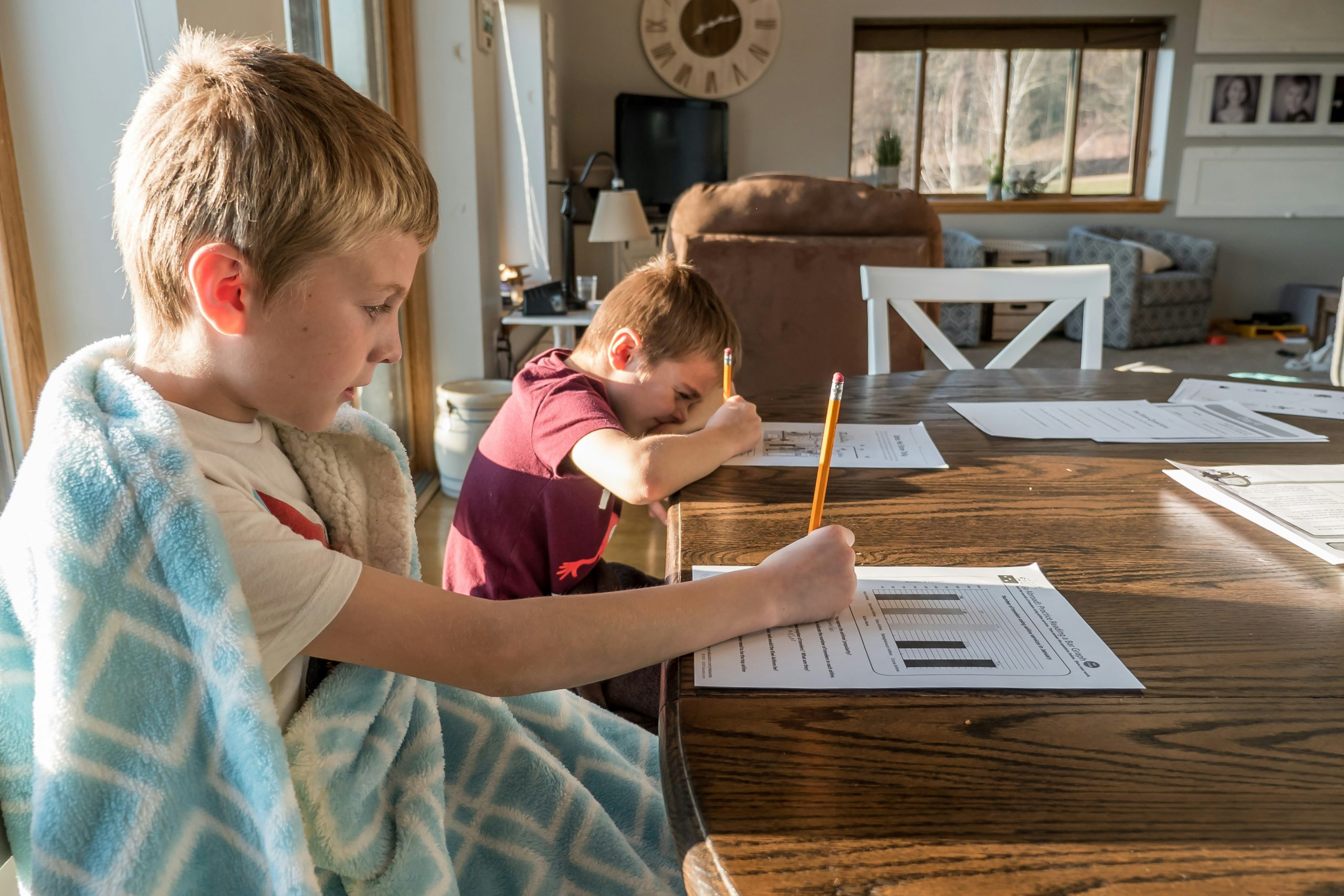
“How are you juggling everything?” That’s a question you’re accustomed to hearing. It’s true. You juggle housework, your career, and the lives of your children. Just when you think you have successfully completed level one of single motherhood, your child’s mid-semester report comes in, and you realize that in all your juggling, you dropped a ball or two. While some children are self-motivated and capable of completing their homework without outside assistance and reminders, many children lack this self-discipline. For the single mom, finding time, let alone energy, to help with homework after a long day on the job can feel not only impractical but downright exhausting. If you’re a single mom struggling to keep your kids’ homework on track, here are a few ideas that might help. Be transparent Keep in open communication with your child’s school. Let them know that you’re a single, working mom and that you can’t devote a lot of time to homework. Most schools will do their best to help the student complete assignments in class, especially if they know that doing homework might be a challenge. Communicate regularly Keep an open channel of communication with your child’s school. Make sure that your contact information is up to date so that they have an easy and effective way of communicating with you. Ask questions of your child’s teachers to ensure that any issues with grades are addressed immediately instead of allowing them to snowball. Find help Some schools offer after-school tutoring. If yours does not, look to local community resources such as the Boys and Girls Clubs or local churches that might offer assistance with homework. If your area does not have a homework-helping program, consider hiring a tutor or asking a friend or relative to step in to assist in this way. Offer rewards Ultimately, the [...]

Comments Off on Finding Single Mom Help with Homework

Art Therapy for OCD Help

2025-01-13T10:28:28+00:00January 13th, 2025|Featured, Individual Counseling, OCD|

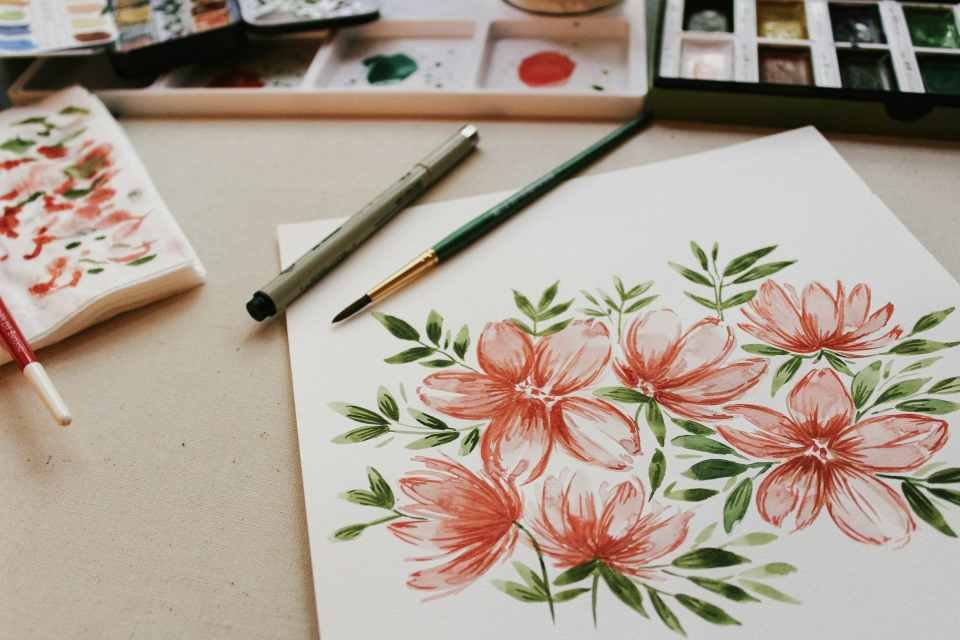
God’s creativity is evident in every aspect of our natural world. So, it’s no wonder that the creativity He instilled in us, His creation, can also be harnessed for healing. Art therapy taps into our God-given creativity, offering us a way to express our emotions and thoughts that might be too difficult to articulate through words alone. For those with obsessive-compulsive disorder (OCD), using painting, drawing, or sculpture to visually represent and manage intrusive thoughts and compulsions can transform anxiety into something beautiful. What is art therapy? Art therapy might sound like something out of a fictional story where crayons cure all, but there’s a lot of science behind the concept. For those grappling with OCD, integrating art therapy can be both a creative outlet and a powerful therapeutic tool where compulsions turn into colorful creations. Therapeutically, art therapy complements traditional OCD treatments like Cognitive Behavioral Therapy (CBT) and Exposure and Response Prevention (ERP). By incorporating creative expression, individuals can explore and challenge their fears in a non-threatening way. Tips for Incorporating Art Therapy into OCD Treatment Use art therapy alongside CBT and ERP. Discuss your artistic creations with your therapist to integrate them into your broader treatment plan. Here are some ideas on how to get started. Start simple Begin with basic materials such as pencils and paper. Even simple sketches can be therapeutic and help you express complex emotions. Find a safe space Choose a quiet and comfortable place to create your art. This allows you to silence your inner critic and focus more on the process than on perfection. Create regularly Set aside time each week for art therapy. Consistency helps reinforce the therapeutic benefits and provides a regular outlet for expression. Use art as a reflection tool After creating, reflect on what the art represents [...]

Comments Off on Art Therapy for OCD Help

Attachment Issues in Relationships: What Attachment Style are You?

2024-12-21T10:21:52+00:00September 5th, 2024|Abandonment and Neglect, Featured, Individual Counseling, Relationship Issues|

Answer the following questions honestly to determine your attachment style. Choose the option that best describes your typical reactions, feelings, thoughts, and behaviors in relationships. Question 1: How do you feel when your partner is not around? I feel anxious and worry that they might not come back. I enjoy the time alone but look forward to seeing them again. I hardly notice they’re gone and don’t feel a strong need for them to return soon. I feel uncomfortable with too much closeness and need personal space. Question 2: How do you usually handle conflicts with your partner? I feel distressed and need reassurance that everything is okay. I address the issue calmly and work toward a resolution together. I try to avoid conflicts altogether, even if it means not discussing important issues. I often withdraw and prefer to solve problems on my own. Question 3: What best describes your typical approach to intimacy and closeness in relationships? I crave closeness and need constant reassurance from my partner. I am comfortable with intimacy and value a balanced, close relationship. I am not comfortable with too much closeness and prefer to keep some distance. I find intimacy overwhelming and tend to pull back when someone gets close. Question 4: How do you feel when your partner expresses their needs and emotions? I feel overwhelmed and worry about meeting their needs. I feel empathetic and supportive, ready to listen and help. I feel indifferent and sometimes annoyed by their needs. I feel trapped and prefer to avoid dealing with their emotions. Question 5: How do you typically react to perceived rejection or criticism from your partner? I feel devastated and worry that they might leave me. I feel hurt but can discuss my feelings and resolve the issue. I brush it [...]

Comments Off on Attachment Issues in Relationships: What Attachment Style are You?
Go to Top